
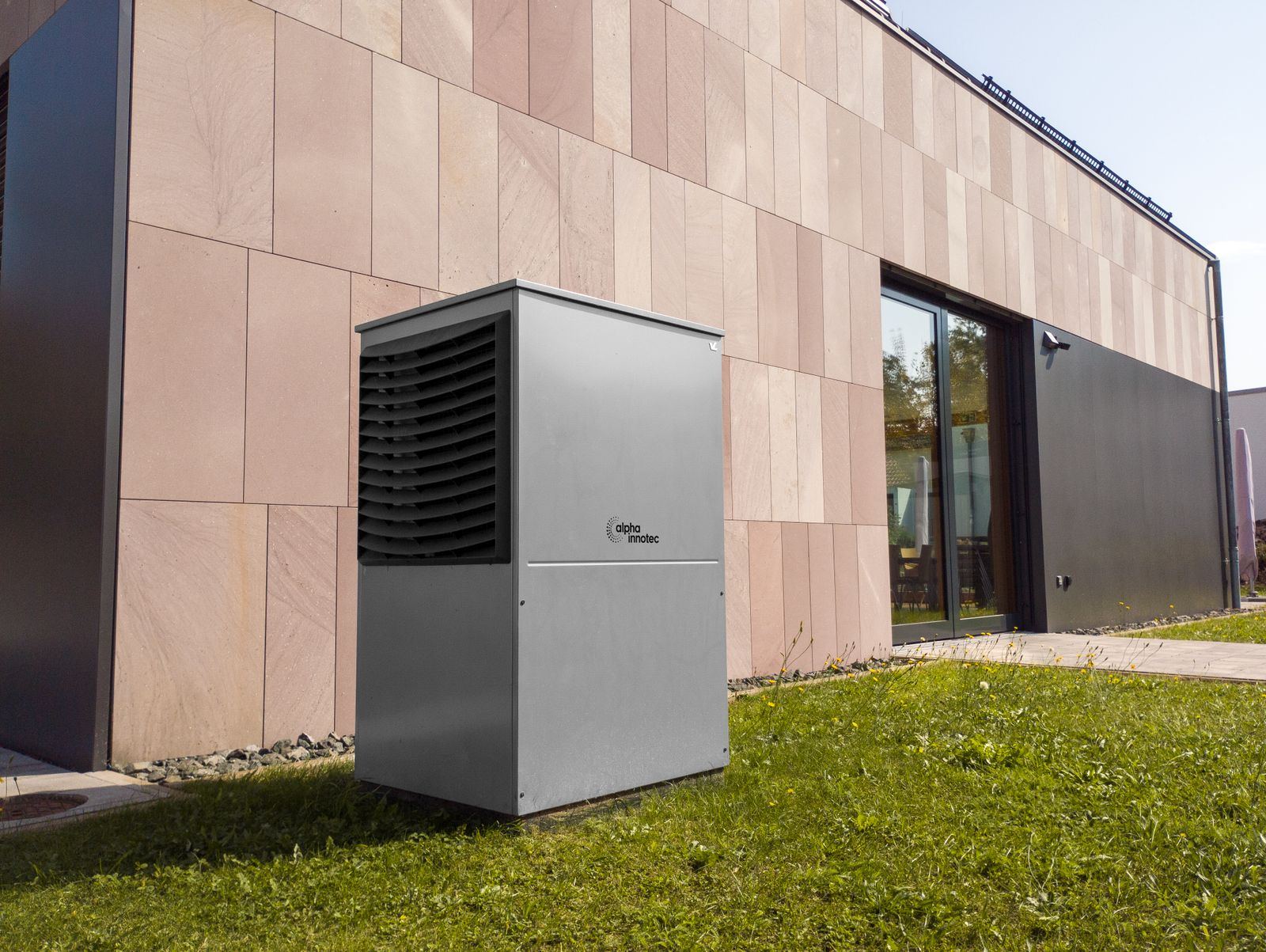
Of all the ways to heat water with electricity, a heat pump unit is by far the most efficient. Rather than running current through an element for every gallon, it uses a compressor, refrigerant, and a fan to capture heat from surrounding air and move it into the tank. It takes much less power to move heat than to make it, so these hybrids routinely earn Uniform Energy Factor ratings of about 3 to 4, while a conventional electric tank sits just under 1. Across Athens, GA, that gap has pushed plenty of homeowners to replace a worn electric tank with a hybrid instead of another standard model.
Before any equipment gets ordered, our technicians look at the space where it will live, because a hybrid is only as efficient as the room around it. We check that there is enough air volume, generally about 700 cubic feet, or plan intake and exhaust ducting when there is not. We think about what the cooler, drier exhaust air will do to the room, whether a garage stays warm enough through the Athens winter for the compressor to do most of the work, and how the condensate will reach a drain, by gravity to a floor drain or through a small pump. We confirm the electrical side, usually a dedicated 240-volt circuit, and consider noise, since the compressor hum is fine in a garage but may bother someone sleeping on the other side of the wall. Height matters too: hybrids are taller than standard tanks and need room above for service and airflow.
Getting the settings right is where the real savings get locked in. A hybrid can run in heat pump only, hybrid, electric, and vacation modes, and the best choice depends on how many people shower back to back and how cold the space gets. Heat pump recovery is slower than an element's, so sizing up a notch often lets the compressor carry the whole load without calling on backup heat. Our technicians set the unit with a drain pan, a properly pitched condensate line, a dedicated circuit, and code items such as an expansion tank or seismic strapping where they apply, then choose the mode that fits your routine. Many qualifying units are eligible for utility rebates or federal tax credits, and while we cannot promise any specific incentive, we will tell you which programs are worth checking. Call (706) 203-8948 to talk through a heat pump water heater for your Athens home.
What homeowners call us about most is Water Heater Installation in Athens. Either is a good place to start.
Warning Signs to Watch For
Recognizing the warning signs early can save you money and keep a slow drip from turning into a flooded utility room. These are the red flags our technicians see most often before a breakdown:
- Existing electric water heater wiring that may serve the new unit
- An electric tank over ten years old that you would like to swap on your own schedule
- Humidity problems in the space where the water heater sits
- A warm utility space the heat pump can draw from
- Interest in utility rebates or federal tax credits for efficient equipment
- A big family whose hot water use drives the electric bill
- Solar panels or a move toward an all-electric home
- A garage, basement, or utility room with plenty of open air around the tank
Act Before It Gets Worse
A worn-out anode rod, a sediment-choked tank, or a weak thermocouple rarely fixes itself, and the repair usually costs more the longer it waits. A quick call to (706) 203-8948 gets a technician out to check it before it becomes an emergency.
Need Help With Heat Pump Water Heaters?
Call Athens Water Heater for fast, reliable service.
Tap to Call (706) 203-8948Your Heat Pump Water Heaters Questions Answered
Why Hire a Professional for Heat Pump Water Heaters?
A hybrid brings three systems together: water, electricity, and refrigerant. Each has its own requirements. Water connections need a relief valve discharge piped to a safe point and, on closed systems, an expansion tank. Electrical work means a dedicated circuit and breaker that match the nameplate, which may not be the case for the wiring left from an older tank. And the refrigerant circuit only performs if the space gives it enough air to work with. Put it in the wrong room and the unit falls back to its elements, so you pay more up front and still run like a standard electric tank.
The hands-on details add up. These units are tall and, once full, weigh far more than a person can safely manage alone. The condensate line needs a reliable drain or a pump, and a clogged line can soak drywall before anyone notices. Converting from a gas heater means capping the gas supply, dealing with the old flue, and bringing in a new circuit. Any work on the refrigerant loop requires training and equipment most homeowners do not have. Athens Water Heater handles those pieces as part of one job, programs the unit before we leave, and provides model and installation details for rebate or credit applications, though approval always rests with the program.
Our Heat Pump Water Heaters Process
We follow the same careful process on every water heater, whether it's a quick thermostat swap or a full tankless conversion. Here's a look at each step our team takes:
Space and Airflow Check
Before anything else, we look at where the unit will live: air volume, winter temperatures, a drain path for condensate, noise near bedrooms, and panel capacity.
Choosing the Unit
You get a recommendation built around your family's peak morning demand, the available space, and whether a 240-volt or 120-volt model makes more sense.
Careful Installation
We remove the old unit, set the new one level in a pan, connect the plumbing and circuit, route the condensate, and add code items like an expansion tank where required.
Settings and Testing
Before we leave, the unit is running, draining, and set to the right mode, and you know which setting to use when guests arrive.
Questions About Heat Pump Water Heaters?
Our technicians can assess your water heater and recommend the option that actually makes sense.
Get Help: (706) 203-8948Tips to Keep Your Water Heater Healthy
Routine maintenance is almost always cheaper and easier than an early replacement. Here's where to begin:
- Keep the space around the unit open and free of boxes, laundry, and stored clutter
- Look at the condensate line now and then to make sure it is draining freely
- Use vacation mode when you travel instead of leaving the tank at full temperature
- Rinse the intake filter a few times a year; a clogged filter drags efficiency down
- Keep up with a yearly flush, since hybrids collect sediment like any tank
- Have the anode rod inspected every few years to protect the tank from corrosion
- Do not store solvents or run a dusty workshop right next to the unit
Doing It Yourself vs. Hiring a Technician
Relighting a pilot by following the label is one thing. Diagnosing a gas valve, a burned-out element, a dirty flame sensor, or a tankless error code calls for meters and know-how that a pro brings. Consider the following comparison:
| Consideration | DIY Attempt | Hiring a Pro |
|---|---|---|
| Placement | Space never measured | Room sized and assessed for airflow |
| Wiring | Breaker size guessed | Dedicated circuit verified or added |
| Condensate | Line left to drip on the floor | Routed to a drain or pump and tested |
| Tank Capacity | No thought to slower recovery | Sized for peak demand and recovery |
| Operating Mode | Stuck in electric mode | Settings chosen for savings |
| Code Items | Local requirements unknown | T&P discharge, pan, and expansion tank handled |
Talk to Our Heat Pump Water Heaters Team
Cold showers and damp floors don't get better on their own. Athens Water Heater can have a technician headed your way soon.
Call (706) 203-8948 NowCommunities We Cover
We serve Athens and its neighboring towns for heat pump water heaters, from quick same-day repairs to planned installs.