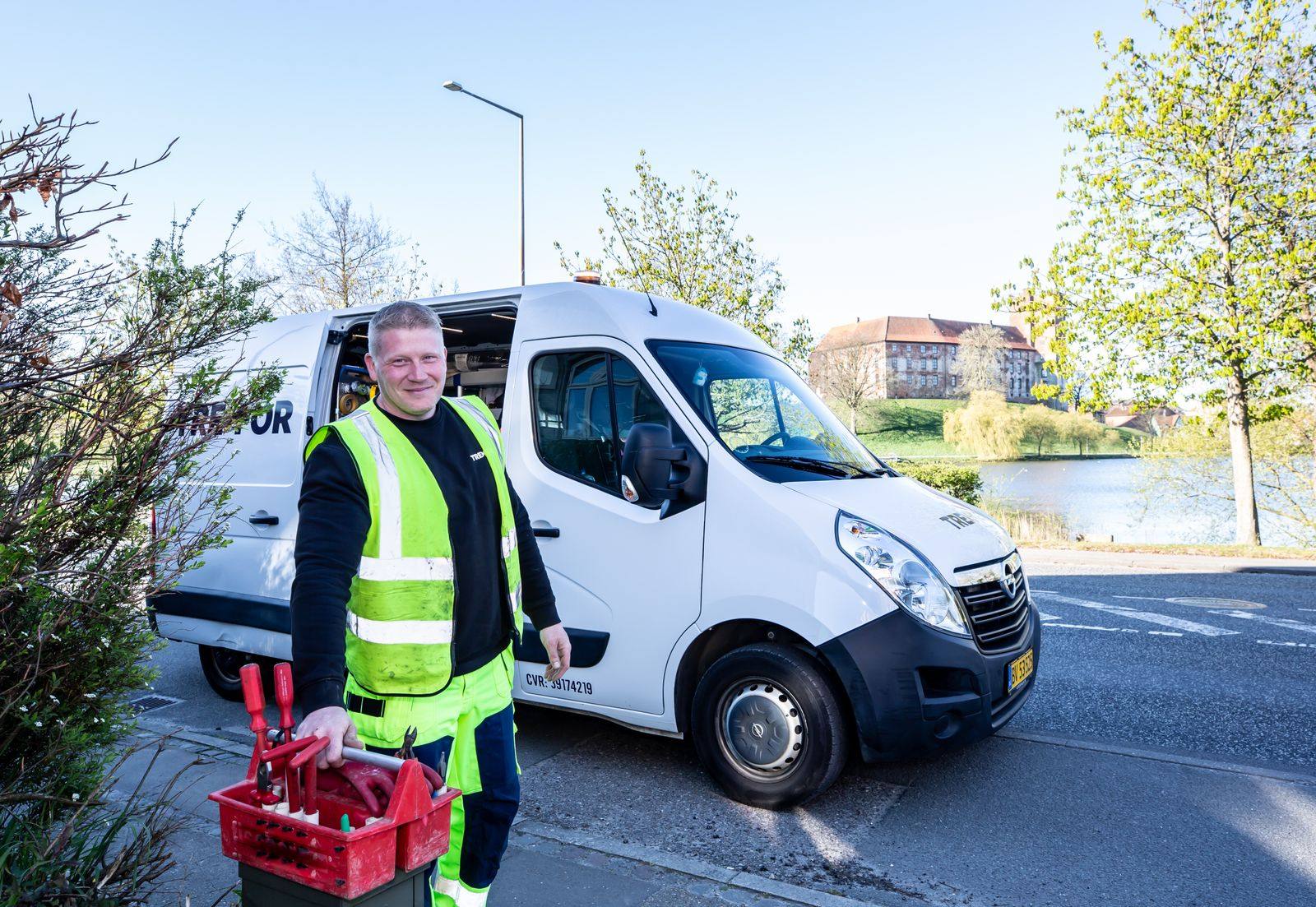
What separates a water heater emergency from an ordinary repair? Usually it is one of four things: active flooding, a discharging relief valve, water hot enough to burn, or a gas odor. Flooding is the one that surprises people most. A failed tank is still connected to the cold supply, so it keeps refilling and leaking long after its own contents are gone, and the damage spreads into finished floors and lower rooms quickly. A temperature and pressure relief valve that keeps releasing water or steam is the heater telling you a safety limit has been exceeded. Scalding water points to a runaway thermostat or gas control. A gas smell is its own category and comes with its own first steps, covered below. Across Athens, GA, we handle every one of these as a priority call.
Here is the order that keeps people safe. Gas comes first. If there is any smell of gas, get everyone out, leave switches, outlets, and appliances alone, and call the gas utility or 911 once you are outside; the heater can wait until the utility says the home is safe. Second, water. Turn the cold-water valve above the heater clockwise until it stops, or close the home's main shutoff if that valve refuses to turn. Then the heat source. Set a gas control to OFF, or turn off the breaker for an electric heater, but only if you can reach the panel without standing in water. A relief valve that is releasing water should never be capped or plugged. With the heater isolated, call (706) 203-8948 and describe what you see.
When you reach Athens Water Heater, we start by asking what you see, hear, and smell, and we confirm the shutoffs are holding before anyone leaves the shop. We dispatch as quickly as we can and give you a realistic time frame rather than a promise we cannot keep. Our trucks carry the parts behind most urgent failures, including relief valves, thermocouples, flame sensors, heating elements, thermostats, drain valves, and supply connectors, so many emergencies end with a repair on the spot. When the tank itself has failed, patching it would not be honest work, so we explain replacement options, secure the area, and get hot water back as soon as the new heater is in. For emergency water heater repair in Athens, call (706) 203-8948.
Most of our service calls are for Water Heater Repair in Athens. Start there if you're not sure what you need.
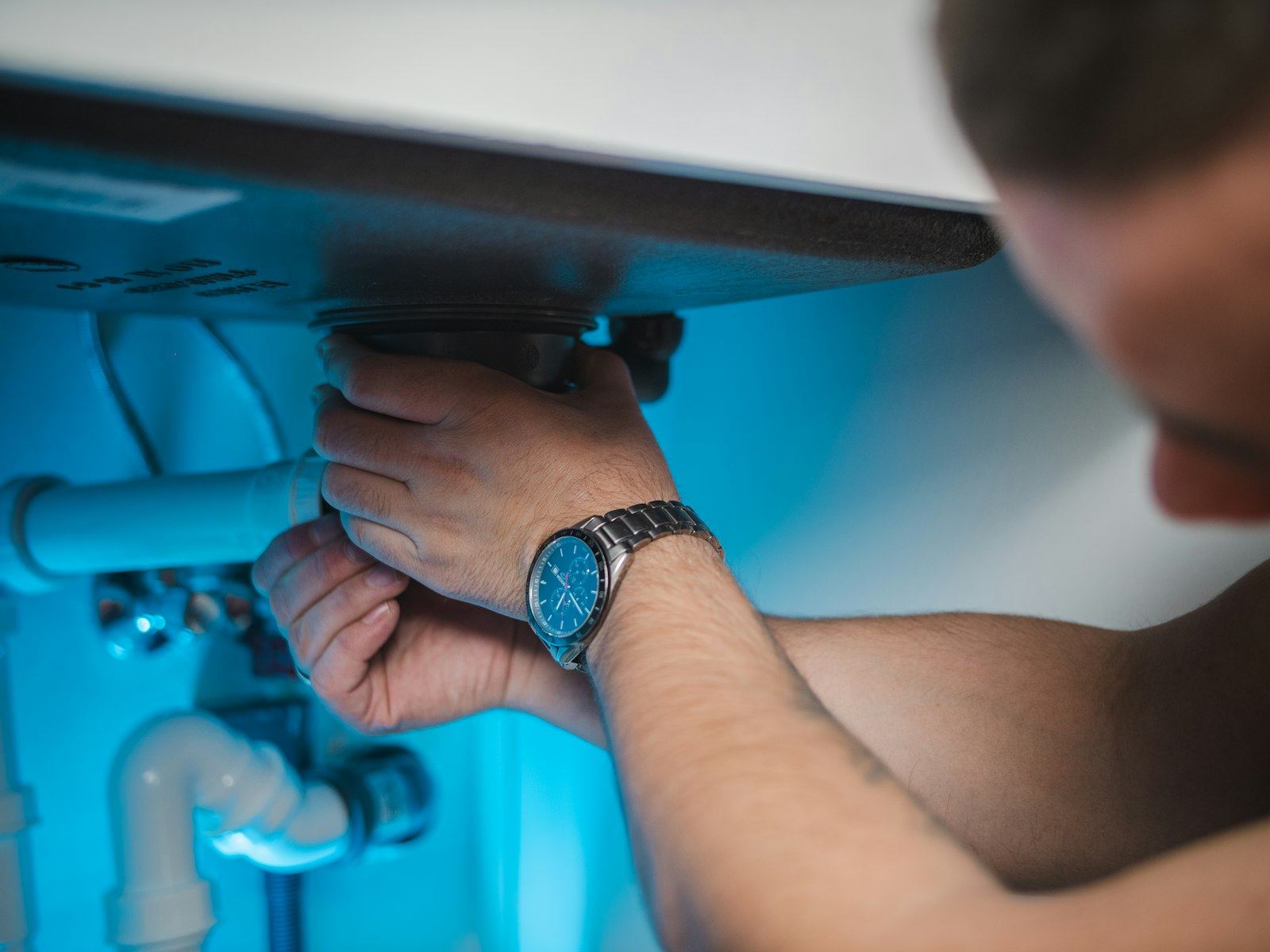
Signs You Need Emergency Water Heater Repair in Athens
Most tanks announce trouble weeks or months ahead with rumbling noises, rusty water, or hot showers that keep getting shorter. Keep an eye out for the following:
- Standing water around the water heater that returns after you wipe it up
- The smell of gas near the unit, a situation that calls for evacuating and phoning the utility or 911
- A T&P valve that releases water repeatedly instead of staying closed
- A heater breaker that will not stay on after being reset
- Hot water far hotter than normal, a sign of a runaway thermostat or gas control
- Loud popping, banging, or rumbling from the tank that has gotten worse quickly
- Signs of scorching or backdrafting around the base or top of a gas heater
- No hot water at all, even after waiting for the tank to recover
Don't Wait for a Total Failure
Tanks rarely fail all at once. They corrode from the inside for months, and the warning signs show up long before the floor gets wet. At the first hint of a problem, reach out to Athens Water Heater at (706) 203-8948 and we'll take a look.
Need Help With Emergency Water Heater Repair?
One call gets a technician scheduled and a clear price before any work starts.
Tap to Call (706) 203-8948Common Questions We Hear
Why Hire a Professional for Emergency Water Heater Repair?
Emergency calls combine electricity, gas, heat, pressure, and water, which is exactly the mix that makes do-it-yourself work risky. An electric heater sits on a 240-volt circuit that should never be handled while standing in water. A gas heater has fuel piping, a burner, and a vent that can spill combustion gases if something is out of place. The tank itself holds scalding water under pressure, and a discharging relief valve is signaling an unsafe condition that must be solved, not silenced. Capping that valve, relighting next to a gas odor, or forcing a rusted connection are mistakes we see far too often.
Professional help is not just about having wrenches. It is about knowing why the failure happened so it does not happen again next month. When a relief valve discharges, we measure static water pressure and check whether an expansion tank is missing or waterlogged. When a tank floods the floor, we locate the true source, whether it is the valve, a fitting, a connector, or the tank wall. When a gas heater dies, we check the thermocouple or flame sensor, gas pressure, and venting before restarting it. That diagnosis decides the fix. Components can be replaced the same visit; a failed tank cannot be patched, and we say so plainly and explain the replacement path.
Our Emergency Water Heater Repair Process
Our workflow is simple and thorough, so nothing gets missed between the fuel supply and the relief line. Here's what you can expect when you choose Athens Water Heater:
Phone Triage & Shutoff Help
The first step happens before we arrive. We rule out a gas smell with you, walk you through the water shutoff and the gas control or breaker, and help limit the spread of water.
Secure the Area
You get a straight answer on timing, not a promise we cannot keep. Once on site, we check the shutoffs, the gas or electrical supply, and the vent before touching the heater itself.
Repair or Honest Replacement
If a component failed, we replace it right there. If the tank itself is leaking, we show you why a patch will not hold and walk you through replacement options and pricing.
Restart & Verification
We refill the tank, purge air from the lines, restart the heater, check every joint for leaks, confirm the relief valve seats, and set the temperature to a safe 120F.
Not Sure What You Need?
Call Athens Water Heater to talk through your situation with an experienced technician.
Call (706) 203-8948 NowPrevention Tips That Actually Help
A few preventive steps can help you avoid a cold shower or a wet floor down the road. Here are our recommendations:
- Check the temperature and pressure relief valve each year so you know it will work when it matters
- Know where the heater shutoff and the main water valve are, and make sure everyone in the house does too
- Leave clear space around a gas heater and never store flammable liquids nearby
- A 120F setting is safer for skin and easier on the heater than the hottest setting
- Ask about a drain pan and drain line, especially for heaters in attics, closets, or above finished rooms
- A simple water sensor on the floor beside the tank can warn you hours earlier
- Annual flushing keeps sediment from causing the rumbling and hot spots that lead to leaks
DIY vs. Professional Emergency Water Heater Repair
The line between a safe DIY check and a risky repair is usually the moment you need to open a gas fitting, a vent connection, or an electrical cover. Consider the following comparison:
| Consideration | DIY Attempt | Hiring a Pro |
|---|---|---|
| Gas Safety | Tempted to relight or poke around | Evacuate, utility clears it, then leak testing |
| Stopping the Leak | Unsure which valve to close | Water stopped and drain-down done properly |
| Relief Valve | Discharge silenced without finding the cause | Cause found: pressure, expansion, or overheating |
| Electrical Hazard | Live wiring close to a flooded area | Circuit verified dead before any work |
| Diagnosis | Guessing between valve, fitting, and tank | Leak and failure point pinpointed |
| Outcome | Temporary patch, risk of repeat flooding | Safe restart, verified dry and working |
Let's Get Your Hot Water Back
Don't let a failing water heater get worse. Call Athens Water Heater now for prompt, professional service.
Get Help: (706) 203-8948Emergency Water Heater Repair Near Athens
Our service area reaches well past the city limits. Choose your community for local details.